Wednesday, January 22, 2025

Free corner pergola blueprints for creative outdoor spaces

Free Corner Pergola Blueprints for Creative Outdoor Spaces

The corner pergola, a versatile and aesthetically pleasing structure, offers a unique solution for maximizing space and enhancing the beauty of any outdoor area. Its angled design allows for creative integration into existing landscapes, providing shade, a focal point, and a framework for climbing plants. This article explores the design considerations, construction techniques, and provides guidance on accessing free corner pergola blueprints, empowering homeowners to undertake this rewarding project.

Design Considerations for Corner Pergolas

Before embarking on the construction of a corner pergola, meticulous planning is crucial. This involves assessing various factors that will significantly impact the final outcome and its suitability for the intended location.

Site Assessment and Measurement

Accurate measurements are paramount. Determine the precise dimensions of the corner where the pergola will be situated. Consider the existing landscaping features, proximity to buildings, and any potential obstructions like trees or utilities. Sketching a detailed site plan, including dimensions and the placement of key features, will prove invaluable during the blueprint selection and construction phases. Account for the overhang required for adequate shade, ensuring it does not encroach on walkways or other functional areas.

Material Selection

The choice of materials significantly influences the aesthetic appeal, durability, and maintenance requirements of the pergola. Pressure-treated lumber is a popular and affordable option, offering good resistance to rot and decay. However, it may require regular treatment to maintain its longevity. Cedar and redwood are naturally resistant to rot and insects, providing a more premium and aesthetically pleasing finish, albeit at a higher cost. Metal pergolas, constructed from aluminum or steel, offer exceptional durability and low maintenance but can be more expensive. The chosen material should align with the overall style of the house and garden.

Style and Design Elements

Corner pergolas offer considerable design flexibility. Consider the desired aesthetic: a rustic, traditional design, a modern minimalist approach, or a more ornate style. The roof design can be a simple flat top, a more complex gabled roof, or even a curved design. Incorporating decorative elements such as latticework, intricate carvings, or strategically placed lighting can further enhance the visual appeal. Explore various design options available online or in architectural publications to determine the best fit for your outdoor space.

Permits and Regulations

Before commencing construction, check with your local authorities regarding building permits and zoning regulations. The size and location of the pergola may necessitate obtaining permits, especially if it's a large structure or located close to property lines. Understanding local regulations will prevent potential delays and legal issues.

Accessing Free Corner Pergola Blueprints

Numerous online resources provide free corner pergola blueprints, offering a range of designs and complexities. However, it's essential to exercise caution and verify the credibility of the source. Look for blueprints that provide detailed instructions, accurate measurements, and comprehensive material lists.

Online Resources and DIY Websites

Many reputable DIY and home improvement websites offer free downloadable plans. These websites often include articles, tutorials, and community forums, providing additional support and guidance. Search terms such as "free corner pergola plans," "DIY pergola blueprints," or "corner pergola design drawings" will yield numerous results. Always scrutinize the quality of the plans before downloading, ensuring clarity, completeness, and accuracy.

Open-Source Design Platforms

Some open-source platforms allow users to share and download architectural designs, including pergola blueprints. These platforms often provide a community forum where users can discuss the plans, offer modifications, and provide feedback. Be mindful of the license associated with the plans to ensure compliance with usage rights.

Considerations When Using Free Blueprints

While free blueprints offer a cost-effective solution, it is crucial to consider several factors:

  • Accuracy and Completeness: Verify the accuracy of measurements and the completeness of the instructions. Incomplete or ambiguous plans can lead to construction errors and delays.
  • Material Specifications: Ensure that the material list is detailed and specifies the type and quantity of materials required. Adjustments may be necessary based on local availability and pricing.
  • Skill Level: Evaluate the complexity of the design and determine if it aligns with your construction skills and experience. More complex designs may require professional assistance.
  • Modifications: Be prepared to make modifications to the plans to suit your specific site conditions and personal preferences. It’s rarely a perfect fit “out of the box”.
  • Construction Techniques and Best Practices

    Constructing a corner pergola involves several key steps, requiring careful attention to detail and adherence to safe building practices.

    Foundation Preparation

    A stable foundation is essential for a durable and long-lasting pergola. This can be achieved by using concrete footings, concrete piers, or setting posts directly into the ground. The chosen method will depend on the soil conditions and the size and weight of the pergola. Ensure that the foundation is level and plumb before proceeding with the frame construction.

    Framing and Assembly

    The framing process involves assembling the main support posts, beams, and rafters according to the blueprint. Use appropriate fasteners, such as lag bolts or galvanized screws, to ensure strong and secure connections. Precise cutting and accurate measurements are critical to achieving a structurally sound and aesthetically pleasing pergola.

    Roofing and Finishing

    The roofing material can be chosen based on aesthetic preference and budget. Common options include lattice, corrugated polycarbonate sheets, or solid wood planks. Ensure that the roofing material provides adequate shade and protection from the elements. After construction, apply a protective finish, such as paint or sealant, to enhance the longevity and aesthetics of the pergola.

    Safety Precautions

    Always prioritize safety during construction. Wear appropriate safety gear, including safety glasses, gloves, and work boots. Use caution when working at heights and ensure that the structure is stable and secure before applying roofing or other finishing elements. If you lack experience or confidence in your skills, consider seeking professional assistance.

    By carefully considering the design aspects, diligently researching free corner pergola blueprints, and employing sound construction techniques, homeowners can create a beautiful and functional outdoor space that enhances the enjoyment of their property for years to come. Remember to always prioritize safety and adhere to local building codes and regulations throughout the project.

    Custom corner pergola ideas for your garden layout

    Unleash Your Garden's Potential: Custom Corner Pergola Ideas

    Transform a neglected corner of your garden into a captivating haven with a custom-designed corner pergola. Forget cookie-cutter structures; we're diving into the world of bespoke designs that perfectly complement your existing landscape and personal style. Imagine the possibilities: a romantic retreat for quiet evenings, a vibrant space for al fresco dining, or a shaded play area for children. This article explores unique ideas to inspire your next garden project.

    Designing Your Dream Corner Pergola: Considerations and Choices

    Before you even think about the aesthetics, consider the practical aspects. Location is key. Choose a corner that receives adequate sunlight for the desired amount of shade, but also allows for easy access and integration with your garden's flow. Size depends on your space and intended use. A smaller pergola might suit a cozy reading nook, whereas a larger structure can accommodate outdoor furniture and gatherings. Material selection dictates the pergola's overall aesthetic and durability. Cedar, redwood, and treated pine offer natural beauty and relative affordability, while more exotic hardwoods provide exceptional longevity and visual impact. Consider the climate; certain woods weather better than others.

    Unique Corner Pergola Designs to Inspire You

    The Rustic Charm of a Climbing Vine Corner Pergola

    Embrace the beauty of nature by choosing a pergola design that encourages climbing plants to flourish. Imagine fragrant jasmine, vibrant honeysuckle, or even a cascading wisteria transforming your pergola into a living work of art. This requires a strong, sturdy structure with ample support for the plants to climb. Consider incorporating latticework along the sides and roof to give the vines a head start and enhance the overall rustic charm. Select a naturally weathered wood or a painted finish that complements the vibrant greens of the plants.

    Modern Minimalism: A Sleek Corner Pergola for Contemporary Gardens

    For gardens with a modern aesthetic, opt for a clean-lined pergola with simple geometric designs. Use materials like powder-coated steel or aluminum for a sleek, low-maintenance structure. Consider incorporating integrated lighting for evening ambiance. The color palette should reflect the overall garden design; choose neutral tones or bold accents to create visual interest. Keep the design uncluttered, focusing on simplicity and functionality.

    The Grand Entrance: A Statement Corner Pergola

    Create a dramatic focal point by installing a large corner pergola at the entrance to your garden. This immediately sets the tone and invites guests to explore. Consider a design with intricate detailing, perhaps incorporating decorative brackets, finials, or even a pergola roof with a slightly curved or arched design. Use a durable, high-quality material that can withstand the elements and stand the test of time. This pergola should make a statement, reflecting your unique personality and style.

    Adding Personal Touches: Enhancements for Your Corner Pergola

    Once the structure is in place, the possibilities for personalization are endless. Consider these ideas:

    • Outdoor Lighting: String lights, lanterns, or integrated LED lighting can create a magical ambiance.
    • Textiles and Fabrics: Add curtains or drapes for shade, privacy, or a touch of elegance.
    • Outdoor Furniture: Choose comfortable seating and dining options to maximize the pergola's usability.
    • Water Features: A small fountain or pond can add a soothing element to the space.
    • Planters and Pots: Incorporate flowering plants and greenery to enhance the aesthetic appeal.

    With careful planning and a dash of creativity, your custom corner pergola can transform a simple garden corner into a breathtaking outdoor sanctuary. Remember to personalize the design to reflect your style and enjoy the process of creating your own unique haven.

    Modern wooden box designs for DIY builders

    Modern Wooden Box Designs for the DIY Enthusiast

    The construction of wooden boxes, while seemingly simple, offers a surprisingly diverse canvas for creative expression and practical application. From sleek minimalist designs to intricate, handcrafted masterpieces, the possibilities are limited only by the builder's imagination and skill. This comprehensive guide explores a range of modern wooden box designs, providing detailed insights into their construction, suitable materials, and finishing techniques, empowering the DIY enthusiast to embark on their own woodworking journey.

    Exploring Design Aesthetics: Form and Function

    The aesthetic appeal of a wooden box hinges on a delicate balance between form and function. Modern designs often prioritize clean lines, minimalist silhouettes, and the inherent beauty of the wood grain. However, functionality remains paramount. The intended purpose of the boxâ€"be it storage, display, or gift presentationâ€"significantly influences the design choices.

    Minimalist Designs: Simplicity Redefined

    Minimalist boxes exemplify less-is-more philosophy. They feature simple, geometric shapes, often employing a single type of wood for a cohesive look. Emphasis is placed on the natural beauty of the wood, with minimal ornamentation or embellishments. The joinery is typically clean and precise, highlighting the craftsmanship involved. Common design elements include flush-mounted lids, subtle dovetail joints, and a focus on the texture and color of the wood itself.

    Geometric Boxes: Playing with Shapes and Angles

    Geometric boxes break away from the traditional rectangular form, exploring various shapes like hexagons, octagons, and even more complex polygonal structures. These designs offer a visually striking contrast to traditional boxes, adding a contemporary edge to any interior. Constructing geometric boxes demands a higher level of precision and often involves intricate miter cuts and careful assembly to ensure structural integrity. The choice of wood can influence the overall impact; darker woods can enhance the geometric lines, while lighter woods can create a more airy and delicate effect.

    Rustic Boxes: Embracing Imperfection

    In contrast to minimalist designs, rustic boxes embrace the natural imperfections of wood. Reclaimed wood, with its visible knots, cracks, and variations in color, adds character and authenticity. The construction may incorporate visible joinery, emphasizing the handcrafted nature of the piece. Rustic boxes often feature a more textured finish, perhaps with a distressed or weathered look, to enhance their rustic charm. These boxes are ideal for projects where a sense of history and warmth is desired.

    Material Selection: Choosing the Right Wood

    The choice of wood significantly influences the final appearance and durability of the wooden box. Various factors, such as the desired aesthetic, budget, and intended use, should guide the selection process. Some popular choices for DIY box construction include:

    • Pine: An affordable and readily available softwood, ideal for beginners. Pine is relatively easy to work with and accepts stains and finishes well.
    • Maple: A hard, light-colored hardwood, prized for its smooth texture and strength. Maple is more challenging to work with than pine but produces a high-quality, durable box.
    • Cherry: A reddish-brown hardwood with beautiful grain patterns. Cherry is relatively easy to work with and develops a rich, warm patina over time.
    • Walnut: A dark-colored hardwood with stunning grain and rich color. Walnut is prized for its luxurious appearance and durability but is relatively expensive.
    • Reclaimed Wood: Offers unique character and sustainability. Reclaimed wood requires careful preparation before use, but its rustic charm is unmatched.

    Beyond the wood type, consider the thickness of the lumber. Thicker wood provides greater stability and durability, while thinner wood is lighter and easier to work with but may require more careful handling to avoid warping or cracking.

    Construction Techniques: From Simple to Advanced

    The construction methods employed significantly impact the box's strength, appearance, and overall complexity. Several common techniques are suitable for DIY builders, ranging from simple designs for beginners to more advanced techniques for experienced woodworkers:

    Basic Butt Joints: A Beginner-Friendly Approach

    Butt joints are the simplest type of wood joinery. They involve simply gluing and clamping the ends of the wood pieces together. While straightforward, butt joints are relatively weak and require additional reinforcement, such as dowels or screws, for optimal strength and durability, especially in boxes subjected to stress.

    Rabbet Joints: Creating a Strong and Clean Connection

    Rabbet joints involve cutting a rectangular groove into one piece of wood and fitting another piece into the groove. This creates a strong and clean connection, often used for the sides and bottom of a box. Precise cuts are crucial for a successful rabbet joint.

    Dovetail Joints: A Symbol of Craftsmanship

    Dovetail joints are considered the gold standard of woodworking joinery. They involve interlocking "tails" and "pins" cut into the mating pieces of wood, creating an incredibly strong and visually appealing joint. Dovetail joints require specialized tools and considerable skill, but the result is a box that is both durable and aesthetically pleasing.

    Miter Joints: Perfecting Angled Connections

    Miter joints are used to create angled connections, often seen in geometric boxes. Precise cuts are crucial for a successful miter joint, and additional reinforcement, such as biscuits or splines, is often necessary to ensure strength and prevent the joint from coming apart.

    Finishing Touches: Enhancing the Box's Appeal

    Once the box is constructed, finishing touches significantly impact its overall appearance and durability. Several options are available, ranging from simple oil finishes to more elaborate painting techniques:

    • Sanding: Careful sanding is crucial to achieve a smooth surface and reveal the wood's natural beauty. Start with coarser grit sandpaper and gradually progress to finer grits for a smooth, polished finish.
    • Oil Finishes: Oil finishes penetrate the wood, enhancing its natural color and providing protection against moisture. Linseed oil, tung oil, and mineral oil are popular choices.
    • Varnish: Varnish creates a durable, protective layer that resists scratches and water damage. It also enhances the wood's sheen.
    • Stain: Stain alters the wood's color, allowing for customization and the creation of unique looks. A wide range of colors and finishes are available.
    • Paint: Painting provides a bold, colorful finish that can completely transform the box's appearance.

    By carefully considering design aesthetics, material selection, construction techniques, and finishing touches, DIY enthusiasts can create truly stunning and functional wooden boxes. The process is rewarding, allowing for creative expression and the satisfaction of crafting a beautiful and durable piece from scratch. The possibilities are truly endless, limited only by the builder's ambition and skill.

    Wednesday, November 20, 2024

    How to Craft Minimalist Wooden Candle Holders for a Modern Touch

    How to Craft Minimalist Wooden Candle Holders for a Modern Touch

    Crafting Minimalist Wooden Candle Holders for a Modern Touch

    In the realm of interior design, minimalism reigns supreme, exuding a sense of tranquility and sophistication. Minimalist decor emphasizes clean lines, simplicity, and a focus on functionality, and what better way to embody this aesthetic than with handcrafted wooden candle holders? These timeless pieces, crafted with natural materials, radiate warmth and elegance, adding a touch of understated charm to any space.

    Materials and Tools

    Before embarking on your minimalist wooden candle holder journey, gather the necessary materials and tools:

    Materials

    • Wooden blocks: Choose wood species like oak, walnut, or maple for their durability and aesthetic appeal.
    • Sandpaper: Utilize various grits (80, 120, 220) for smoothing and finishing.
    • Wood stain or oil (optional): Enhance the natural beauty of the wood.
    • Wood glue or epoxy resin (optional): Securely attach pieces if needed.
    • Clear sealant (optional): Protect the wood from moisture and enhance its longevity.
    • Candles of varying sizes and shapes.

    Tools

    • Measuring tape
    • Pencil or marker
    • Saw (hand saw, jigsaw, or miter saw)
    • Drill with various drill bits
    • Screwdriver
    • Clamps (optional)
    • Protective eyewear and gloves

    Design Inspiration

    The beauty of minimalist wooden candle holders lies in their simplicity. Let your creativity guide you as you explore various design ideas:

    Geometric Shapes

    Embrace the clean lines of geometric forms like squares, rectangles, or triangles. Consider creating stacked blocks or interweaving pieces for a dynamic visual effect.

    Organic Forms

    Capture the natural beauty of wood by incorporating organic shapes like circles, ovals, or free-flowing curves. These designs lend a sense of warmth and serenity.

    Simple and Elegant

    Focus on creating basic, elegant designs. A single, unadorned wooden block can serve as a beautiful and minimalist candle holder. Experiment with different wood species and finishes to create unique variations.

    Crafting Process

    Once you've chosen your design, it's time to bring it to life. Follow these steps for a seamless crafting experience:

    1. Measure and Cut

    Begin by accurately measuring the wooden blocks and marking the desired cuts. Utilize a saw to make precise cuts, ensuring clean edges. For intricate designs, consider using a jigsaw or a miter saw for more precise angles and cuts.

    2. Sanding and Finishing

    After cutting, sand the wood surfaces thoroughly using sandpaper. Start with a coarser grit (80) to remove rough edges and gradually progress to finer grits (120, 220) for a smooth finish. This process ensures a polished and refined look.

    3. Staining or Oiling (Optional)

    Enhance the wood's natural beauty by applying a wood stain or oil. Choose colors and finishes that complement the design and your interior style. Apply the stain or oil evenly using a brush or cloth, allowing it to soak in according to the manufacturer's instructions. Remember to wear gloves to avoid staining your hands.

    4. Assembly (Optional)

    If your design involves multiple pieces, secure them together using wood glue or epoxy resin. Apply a thin layer of glue or resin to the surfaces that will be joined and clamp the pieces together until the adhesive sets. Ensure proper alignment and allow sufficient drying time.

    5. Drilling Candle Wells

    Use a drill and a drill bit slightly larger than the diameter of your candles to create wells for holding the candles. Drill carefully, ensuring even depth and clean edges to prevent the candles from tipping over.

    6. Sealing (Optional)

    To protect the wood from moisture and enhance its longevity, apply a clear sealant. Use a brush or cloth to apply the sealant evenly, following the manufacturer's directions. Allow the sealant to dry completely before using the candle holders.

    Tips for a Modern Touch

    To elevate your minimalist wooden candle holders and achieve a modern aesthetic, consider these tips:

    1. Minimalist Colors

    Stick to neutral colors like white, black, gray, or natural wood tones. These colors create a sense of calm and sophistication, enhancing the minimalist vibe.

    2. Simple Shapes

    Embrace geometric shapes like squares, rectangles, or circles. These forms create a clean and uncluttered look, adding a touch of modern elegance.

    3. Natural Materials

    Opt for natural materials like wood, metal, or stone. These materials create a sense of warmth and grounding, complementing the minimalist aesthetic.

    4. Contrast and Texture

    Play with contrasts and textures. For instance, use a smooth, polished wood block with a rough, textured metal base for a striking visual effect.

    5. Use Light and Shadow

    Candles create a beautiful interplay of light and shadow. Position your candle holders strategically to allow the candlelight to cast interesting patterns and shadows on the walls and ceiling.

    Lighting and Ambiance

    Minimalist wooden candle holders go beyond mere functionality, transforming spaces into inviting sanctuaries. The warm glow of candlelight creates a calming and cozy atmosphere, perfect for relaxation and reflection. Experiment with different candle sizes and shapes to create a range of lighting effects, from subtle warmth to dramatic ambiance.

    Conclusion

    Crafting minimalist wooden candle holders is a rewarding and fulfilling project that allows you to infuse your home with a touch of modern elegance. With a little creativity and attention to detail, you can create timeless pieces that elevate your decor and enhance your living space.

    Tuesday, November 19, 2024

    How to Craft Large Wooden Storage Bins for Storage Units

    How to Craft Large Wooden Storage Bins for Storage Units

    Crafting Large Wooden Storage Bins for Storage Units

    Storage units are great for keeping your belongings safe and organized, but they can often feel cramped and chaotic. One way to combat this is to create large, custom-made wooden storage bins to maximize space and give your unit a personalized touch. These bins can be tailored to your specific needs, providing dedicated storage for everything from clothing to tools to seasonal decorations.

    Planning Your Storage Bin

    Before you start building, you need a solid plan. Think about the size and dimensions of your storage unit, the specific items you want to store, and the overall aesthetic you're aiming for. Consider these questions:

    • How much space do you have available?
    • What are the dimensions of the largest items you want to store?
    • Do you need bins with specific features like lids or handles?
    • What type of wood will best suit your needs and budget?
    • What kind of finish or paint do you want to use?

    Gathering Materials

    Once you have a design in mind, gather your materials. You'll need:

    • Wood: Choose a durable hardwood like oak or maple for longevity and strength. Consider using plywood or MDF for the bottom and sides of the bins for a more affordable option.
    • Screws or nails: Make sure they are long enough to securely fasten the wood together.
    • Wood glue: This will provide extra strength and stability to your bins.
    • Finish or paint: Choose a finish that will protect your wood and enhance its natural beauty. Paint can be used to add color and a more modern look.
    • Hardware: This might include hinges for lids, handles, or other desired features.
    • Tools: You'll need basic woodworking tools like a saw, hammer, drill, screwdriver, measuring tape, and level.

    Construction Steps

    Follow these steps to build your storage bins:

    1. Cut the wood: Cut your wood to the desired dimensions using a saw. Make sure your cuts are precise and consistent.
    2. Assemble the sides and bottom: Use wood glue and screws or nails to join the sides and bottom of your bin. Use clamps to hold the pieces together until the glue dries.
    3. Attach the top (if desired): If you want a lid, cut the top panel to size and attach it to the bin using hinges.
    4. Add any desired features: Install handles, dividers, or other features based on your design.
    5. Sand and finish: Sand your bin smooth to remove any rough edges or imperfections. Apply your chosen finish or paint.

    Finishing Touches

    Once your bins are built and finished, consider adding some finishing touches to personalize them further. You can:

    • Add labels or stickers to help you easily identify the contents of each bin.
    • Decorate the bins with paint, stencils, or wood burning to give them a unique look.
    • Apply a sealant to protect your finish and keep your bins looking their best for years to come.

    Tips for Success

    Here are a few tips to help you craft successful storage bins:

    • Measure twice, cut once: Accuracy is key. Double-check all your measurements before you start cutting.
    • Use high-quality materials: Investing in quality wood and hardware will ensure your bins last longer.
    • Take your time: Don't rush the process. Pay attention to detail and be patient.
    • Plan for ventilation: If you're storing items that might be susceptible to moisture, build some ventilation into your bins by adding small holes or gaps in the bottom or sides.

    Crafting your own wooden storage bins for your storage unit is a rewarding project that can help you organize your belongings, maximize space, and personalize your storage unit. With careful planning and attention to detail, you can build beautiful and functional bins that will last for years to come.

    How to Make and Sell Wooden Pencil Holders with Unique Designs for Gift Shops

    How to Make and Sell Wooden Pencil Holders with Unique Designs for Gift Shops

    Crafting and Selling Unique Wooden Pencil Holders for Gift Shops

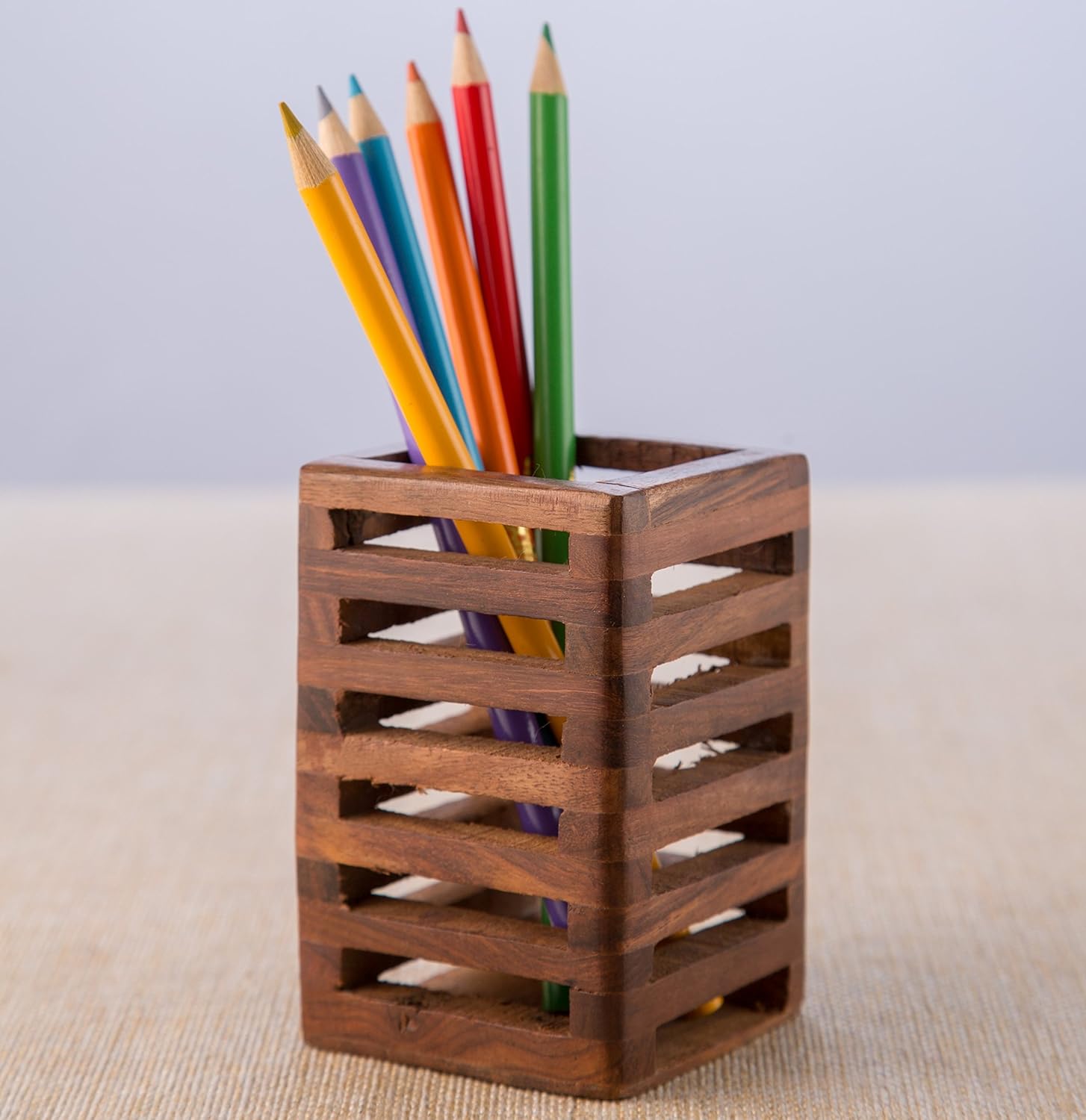
    Are you looking for a creative way to turn your woodworking skills into a profitable venture? Have you ever considered making and selling unique wooden pencil holders? These charming and practical items are a popular choice for gift shops, offering a touch of rustic elegance and personalized design. In this guide, we'll take a deep dive into the world of crafting and selling wooden pencil holders, providing you with all the information you need to get started.

    Choosing Your Niche: Finding Your Unique Style

    The first step in your entrepreneurial journey is defining your niche. While pencil holders are inherently practical, it's the design that sets them apart. Consider these avenues for inspiration:

    Themes and Styles:

    • Rustic Elegance: Embrace natural wood finishes, adding touches like bark accents or distressed wood effects.
    • Modern Minimalism: Go for sleek lines and simple geometric designs with a focus on clean, contemporary aesthetics.
    • Whimsical and Fun: Incorporate playful shapes, animal motifs, or vibrant colors for a lighthearted and engaging touch.
    • Personalized Designs: Offer customers the option to engrave names, initials, or special messages on the pencil holders.

    Target Audience:

    Think about who your ideal customer is. Are you aiming for the young and trendy, the sophisticated professional, or the family-oriented consumer? Understanding your target audience will help you refine your designs and marketing efforts.

    Crafting Your Masterpieces: Tools and Techniques

    Now for the fun part - actually making those beautiful pencil holders! You'll need the right tools and techniques to create high-quality pieces that will impress your customers. Here's a breakdown:

    Essential Tools:

    • Hand tools: Saw, hammer, chisel, sandpaper, wood glue.
    • Power tools: Drill, jigsaw, sander (optional).
    • Measuring tools: Ruler, tape measure, protractor.
    • Woodworking supplies: Wood of your choice (hardwoods like oak, walnut, or maple are durable), wood stain or paint, finishing oil or wax.

    Design and Construction:

    There are many ways to build a pencil holder. Here are a few common methods:

    • Simple Box Design: Cut pieces of wood to create a rectangular or square box, join them together, and add a bottom.
    • Circular Design: Cut a circle of wood, create a groove around the edge, and use a lathe to shape the holder.
    • More Complex Designs: Utilize woodworking joinery techniques like mortise and tenon joints, dovetail joints, or intricate carving for unique and visually stunning pieces.

    Finishing Touches:

    After construction, the finishing process gives your pencil holders that "wow" factor. Here's what you can do:

    • Sanding: Smooth out any rough edges and achieve a uniform surface.
    • Staining or Painting: Apply wood stain or paint to enhance the wood's natural beauty or create a desired color scheme.
    • Sealing: Protect your work with a clear finish like oil or wax to prevent scratches and maintain its vibrancy.

    Marketing and Selling: Reaching Your Target Market

    With beautiful pencil holders in hand, it's time to reach your audience and start selling! Here are some effective strategies:

    Online Marketplaces:

    • Etsy: A popular platform for handmade and vintage goods, Etsy is a great place to showcase your unique creations to a wide audience.
    • Amazon Handmade: This platform offers greater reach and potential exposure to Amazon's vast customer base.
    • Your Own Website: Create an online shop to control your branding, product presentation, and customer experience.

    Local Markets and Events:

    • Craft fairs and festivals: Connect directly with customers, showcase your craftsmanship, and offer personalized service.
    • Farmers' markets: Tap into a community-driven market where people appreciate handcrafted items.
    • Local gift shops: Partner with stores that align with your aesthetic and target audience.

    Social Media Marketing:

    • Instagram: Showcase visually appealing photos of your pencil holders in different settings and styles.
    • Facebook: Create a business page to engage with customers, share behind-the-scenes glimpses, and run targeted ads.
    • Pinterest: Utilize this visual platform to attract customers who are actively searching for creative ideas and inspiration.

    Pricing Your Products: Striking the Right Balance

    Determining the right price for your pencil holders is crucial for profitability. Consider these factors:

    • Cost of Materials: Calculate the price of wood, hardware, finishes, and any other supplies.
    • Time Investment: Factor in your labor time, including design, construction, finishing, and packaging.
    • Market Research: See what similar products are selling for on online marketplaces and at local shops.
    • Profit Margin: Ensure a comfortable profit margin to cover your costs and allow for reinvestment.

    Remember that price is just one part of the equation. High-quality products, excellent customer service, and attractive packaging also play a significant role in attracting buyers.

    Scaling Your Business: Growth Strategies

    Once you've established a solid foundation, you can consider strategies for scaling your business. Here are a few ideas:

    • Expand Product Line: Introduce complementary items like wooden pen holders, desk organizers, or decorative trays.
    • Wholesale Partnerships: Reach a broader market by selling your products wholesale to gift shops, boutiques, or online retailers.
    • Custom Orders: Offer personalized designs and engravings to cater to specific customer requests.
    • Workshops and Classes: Share your woodworking knowledge by hosting workshops or classes for those interested in learning the craft.

    Commonly Asked Questions

    Here are some common questions people ask about making and selling wooden pencil holders:

    What type of wood should I use for pencil holders?

    Hardwoods like oak, walnut, maple, and cherry are excellent choices for their durability and natural beauty. Softwoods like pine or cedar can also work well for simpler designs but may require more care.

    How do I protect my wood from scratches and wear?

    Apply a clear finish like oil, wax, or polyurethane to create a protective barrier. Consider using a durable finish for items that will be handled frequently.

    How do I find customers for my pencil holders?

    Utilize online marketplaces like Etsy and Amazon Handmade, participate in local craft fairs and markets, and leverage social media platforms for marketing and promotion.

    How can I make my pencil holders stand out from the competition?

    Develop unique designs, offer personalized options, experiment with different finishes, and focus on high-quality craftsmanship. You can also create a strong brand identity and build a community around your work.

    Remember that starting your own woodworking business takes time, dedication, and a passion for creativity. By focusing on crafting high-quality pencil holders with unique designs, marketing your products effectively, and providing excellent customer service, you can turn your woodworking hobby into a successful and fulfilling venture.

    Monday, November 18, 2024

    Luxurious Bath Tray Designs to Make and Sell

    Luxurious Bath Tray Designs to Make and Sell

    Luxury Bath Tray Designs to Make and Sell

    Indulge in a luxurious bath experience with a handcrafted bath tray. These elegant and functional accessories transform a simple soak into a spa-like escape. As a maker, crafting and selling luxurious bath trays offers a lucrative opportunity to cater to the growing demand for self-care and home décor.

    Design Ideas for Luxurious Bath Trays

    Elevate your bath tray designs by incorporating these luxurious elements:

    Materials for a Premium Feel

    • Bamboo: Eco-friendly, durable, and naturally beautiful.
    • Teak Wood: Known for its water resistance and rich warm tones.
    • Walnut: Adds a touch of sophistication with its dark, elegant grain.
    • Marble: Provides a timeless, luxurious touch with its cool, sleek surface.
    • Brass or Copper: Add a touch of vintage charm and warmth.

    Enhancing Functionality and Style

    • Built-in Wine Glass Holders: For enjoying a relaxing glass of wine.
    • Integrated Book or Tablet Stand: To keep your entertainment close at hand.
    • Candle Holders or Votive Cups: Create a warm and inviting ambiance.
    • Cut-Out Handles: For easy and comfortable carrying.
    • Personalized Engraving: Add a special touch with initials, names, or quotes.

    Marketing Your Luxury Bath Trays

    Attract customers seeking a unique and luxurious bath experience. Emphasize the following points in your marketing:

    • Highlight Premium Materials: Showcase the quality and craftsmanship of your bath trays.
    • Focus on Functionality and Comfort: Emphasize how your trays enhance bath time relaxation.
    • Target Specific Niches: Cater to specific tastes, like minimalist, modern, or farmhouse styles.
    • Promote Self-Care and Pampering: Connect your products with a sense of wellbeing and indulgence.
    • Offer Gift Wrapping and Customization: Make your trays a perfect gift option.

    Crafting and Selling Your Creations

    Ready to embark on your bath tray crafting journey? Follow these steps:

    • Plan Your Design: Sketch ideas and choose materials that fit your aesthetic and budget.
    • Gather Tools and Materials: Invest in quality tools and materials for a professional finish.
    • Practice and Refine: Master your techniques and create prototypes before selling.
    • Set Up an Online Store: Sell directly to customers through Etsy, Shopify, or your own website.
    • Promote Your Products: Utilize social media, craft shows, and online marketplaces to reach your target audience.

    Create luxurious bath trays that inspire relaxation and pampering, and build a successful business by catering to the growing demand for self-care and unique home décor.